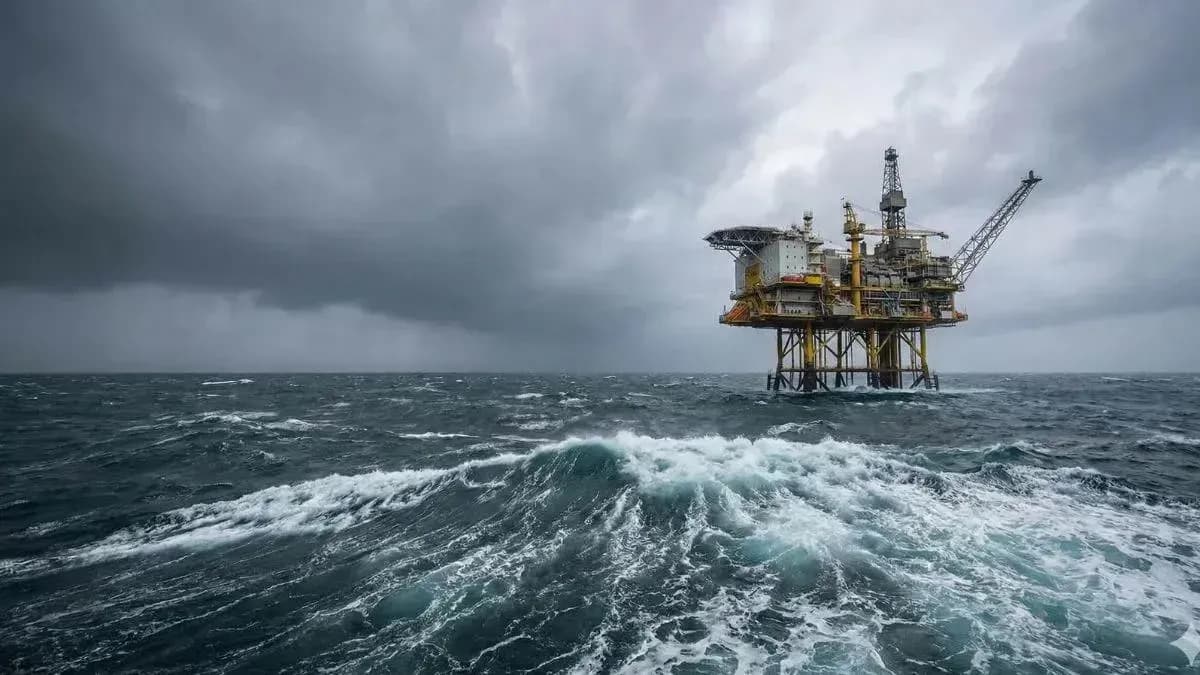
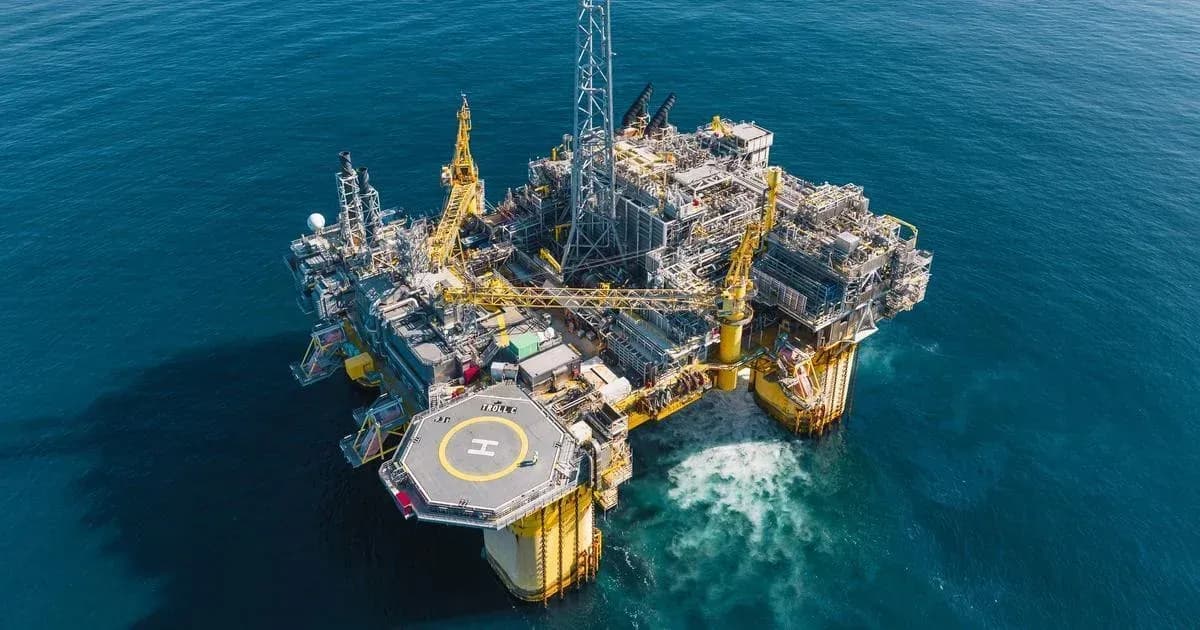
Gulf of America: The Growing Challenge of Offshore Well Intervention and Abandonment
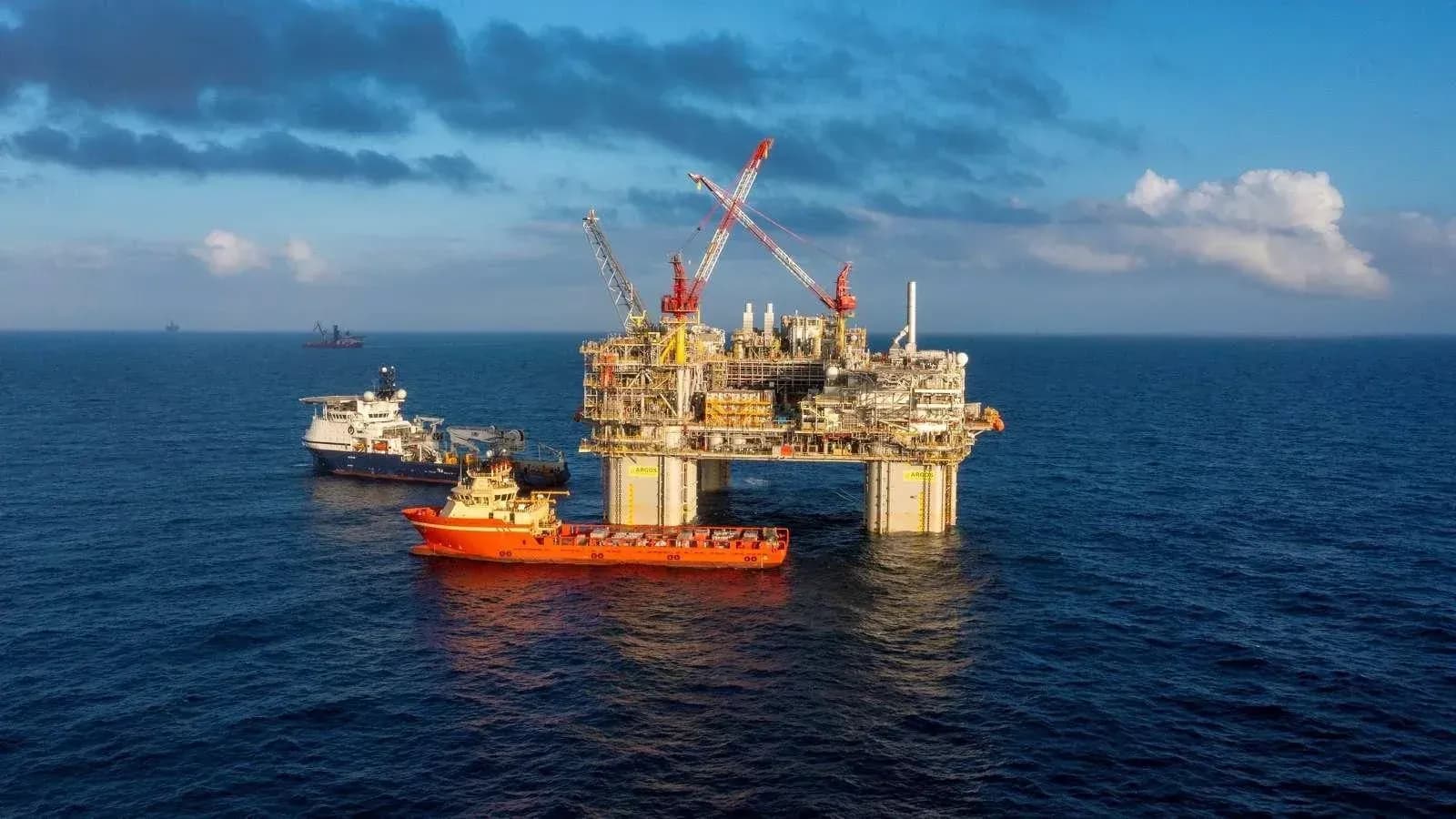
With decades of offshore production, a substantial historical well inventory and technically demanding deepwater operations, the Gulf of America faces a complex engineering challenge: maintaining, intervening in and ultimately abandoning thousands of offshore wells efficiently and safely.
Decades of offshore development, thousands of wells
The Gulf of America, historically known as the Gulf of Mexico, is one of the world’s most established offshore oil and gas provinces. Since the 1940s, offshore development has created an extensive network of wells, production facilities and subsea infrastructure.
According to the US Government Accountability Office (GAO), more than 55,000 wells and 7,000 platforms have been installed across the US Outer Continental Shelf since the beginning of offshore production, with the vast majority located in the Gulf.
This legacy provides the foundation for continued hydrocarbon production. It also presents a major long-term challenge for well integrity, intervention and decommissioning.
Across the region, operators must manage everything from older shallow-water wells to complex deepwater and subsea completions. Although these assets differ substantially in design and operating conditions, they share a common requirement: understanding the well’s history and current configuration before carrying out major engineering work.
The scale of the abandonment challenge
In January 2024, the GAO published a comprehensive review of offshore decommissioning oversight. Using data available as of June 2023, the agency identified:
- More than 2,700 Gulf wells overdue for decommissioning.
- More than 500 offshore platforms overdue for decommissioning.
- Estimated US offshore decommissioning obligations of approximately $40–70 billion.
The overdue well population included approximately 1,700 wells associated with expired leases and another 1,000 wells categorised as idle infrastructure on active leases.
These are historical regulatory figures, not an estimate of the remaining backlog in October 2026. Nevertheless, they demonstrate the scale of the long-term abandonment challenge.
Decommissioning requires more than physically plugging a well. It involves extensive planning, information gathering, barrier design, regulatory compliance and engineering verification. For older offshore wells, the availability and quality of historical information can become a significant factor in preparation.
Why legacy well information matters
A well drilled several decades ago may have undergone numerous operational changes during its life. These might include tubing replacements, casing repairs, recompletions, stimulation treatments, sidetracks, temporary suspensions and previous interventions. Each operation can affect the well’s current configuration and the information required for subsequent work.
Before planning an intervention or permanent abandonment, engineers need to establish what equipment is installed, which barriers are present, what operations have previously been performed and where uncertainty remains.
Relevant records can span multiple operators, contractors and document-management systems. In some cases, information remains available only in historical drilling reports, scanned completion diagrams, cementing records or archived intervention reports.
The challenge is not simply retrieving a document. It is reconstructing an accurate and traceable understanding of the well from information produced over many years.
Shallow-water and deepwater wells present different challenges
The Gulf’s well population is far from uniform.
Mature shallow-water infrastructure
Older shallow-water fields contain wells developed using different generations of drilling and completion technology. Some have been producing for decades, while others have been suspended or removed from production.
Engineering activities include integrity assessments, workovers, well repairs, production restoration and eventual abandonment. An important part of the preparation process is understanding the original well construction and all subsequent modifications. This is especially relevant when preparing multiple wells for intervention or P&A campaigns.
Deepwater and subsea operations
Deepwater wells introduce a different level of operational complexity. Subsea interventions may require dedicated vessels, specialised pressure-control equipment and extensive offshore planning. Well architecture and completion designs can include complex equipment arrangements and multiple operating constraints.
Before an intervention, engineers must establish the current well configuration, identify relevant completion components, verify historical equipment changes and review the information required for well-control and integrity assessments.
Where offshore resources are expensive and mobilisation is complex, reducing avoidable uncertainty during engineering preparation becomes particularly important. The technical requirements remain different from shallow-water operations, but the need for reliable historical well information is consistent.
The role of well intervention in mature offshore production
Well intervention is not exclusively associated with ageing or damaged wells. Interventions can take place throughout a well’s operating life to maintain production, restore functionality, address mechanical problems or investigate changing reservoir and well conditions.
Common activities include wireline operations, coiled tubing, production logging, stimulation, mechanical repairs and recompletion-related work. In the Gulf, both conventional and subsea interventions form part of ongoing offshore field management.
A well may undergo repeated interventions before being suspended and eventually abandoned. This makes its documented operational history an important engineering resource. Information collected during an earlier operation can influence decisions made years later.
From intervention to permanent abandonment
Permanent abandonment is the final stage of a well’s operational lifecycle. Although the objectives differ from production-enhancing interventions, both activities require a detailed understanding of the well’s construction and condition.
For example, records of original casing depths, cement placement, completion equipment and previous remedial operations may all be relevant to the abandonment design. Engineers must determine which existing barriers and records can be relied upon, what additional verification is necessary and what uncertainties must be resolved before execution.
Incomplete documentation does not automatically prevent an operation. However, it can require additional investigation, verification and engineering work. This is one reason historical well-data quality remains important long after a well has stopped producing.
The growing importance of engineering efficiency
The Gulf’s decommissioning challenge exists alongside continued offshore production and development. Operators therefore face multiple demands on engineering expertise, equipment availability and offshore resources.
Improving efficiency involves more than reducing the time spent offshore. The preparation phase matters as well. Engineers must gather and reconcile information, prepare schematics, identify inconsistencies and establish the information required for technical reviews. For organisations managing multiple wells, these tasks can become repetitive and resource-intensive.
A structured, source-linked representation of well information can make preparation more consistent and help teams identify missing or conflicting records earlier. Digital technology can support this process, provided the resulting information remains auditable and subject to appropriate engineering verification.
A lifecycle approach to offshore well knowledge
The Gulf of America illustrates why well data should not be treated as relevant only during drilling or initial completion. A well’s operational history continues to accumulate throughout its life. Every intervention, repair, integrity investigation and recompletion can add information that becomes important for future operations.
Preserving this history in a usable form supports continuity between engineering teams and across the different phases of the well lifecycle. As the Gulf addresses both ongoing production requirements and a substantial decommissioning challenge, understanding existing wells is fundamental to making informed engineering decisions.
The Wellvector perspective
At Wellvector, we see an opportunity to improve how engineers access and work with historical well information.
Wellvector is designed to turn unstructured drilling, completion and operational records into organised, traceable engineering information and updated well schematics. Our focus is on supporting the information-intensive preparation work that precedes interventions, workovers, integrity reviews and P&A operations.
From complex subsea wells to mature shallow-water assets, better access to well knowledge can support more consistent and efficient engineering workflows.
Decades of well history should remain an engineering asset, not an information obstacle.
Sources and further reading
- US Government Accountability Office — Offshore Oil and Gas: Interior Needs to Improve Decommissioning Enforcement and Mitigate Related Risks (2024)
- US Bureau of Safety and Environmental Enforcement — Offshore Well Data
- BSEE — Idle Iron and Decommissioning
- BSEE — Deepwater Activity
The GAO backlog and cost estimates describe conditions reported as of June 2023. They should not be interpreted as verified October 2026 totals. Well intervention and abandonment activities require qualified engineering assessment and applicable regulatory approvals.