The Norwegian Continental Shelf: Maximising Well Productivity From Intervention to Abandonment
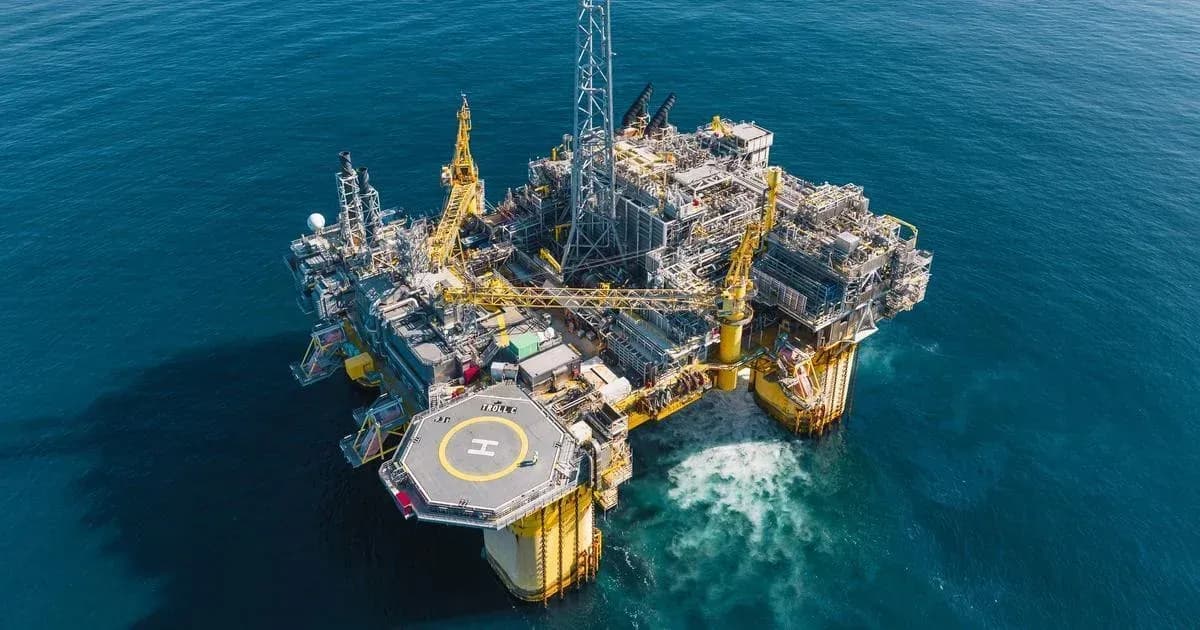
Norway’s offshore industry is entering a phase in which mature-field optimisation, continued well investment and eventual abandonment are becoming increasingly interconnected. As production is distributed across a growing number of fields, better use of existing infrastructure and historical well information will play an important role in the future of the Norwegian Continental Shelf.
Norway’s changing offshore production landscape
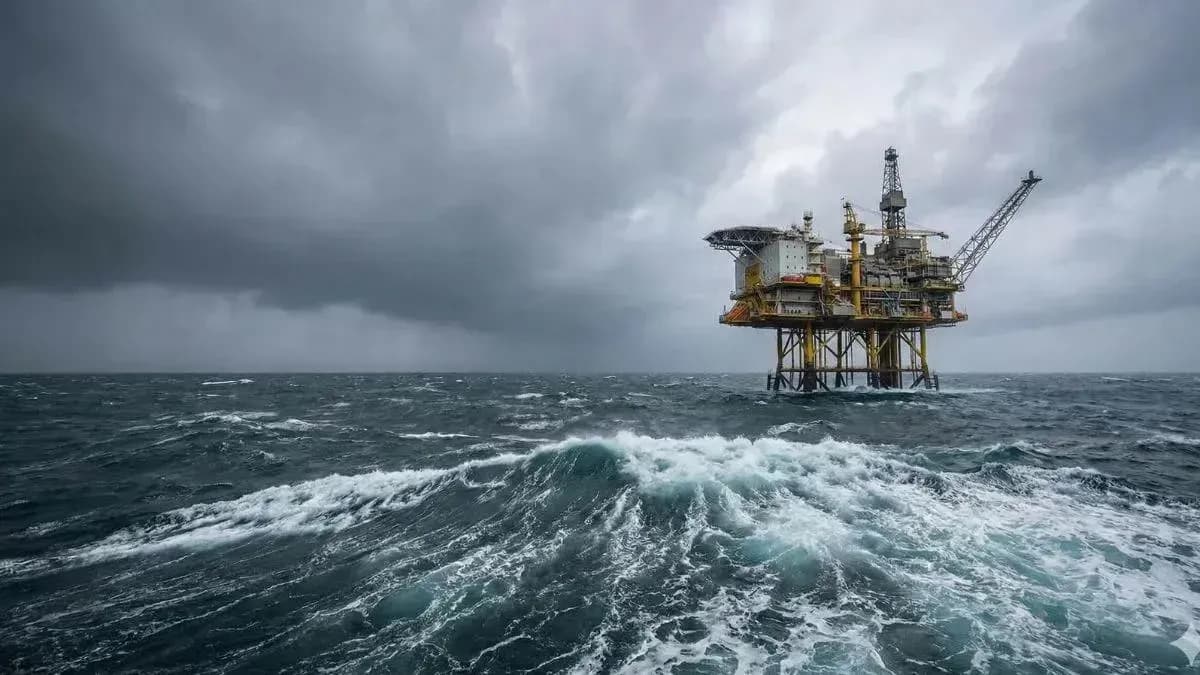
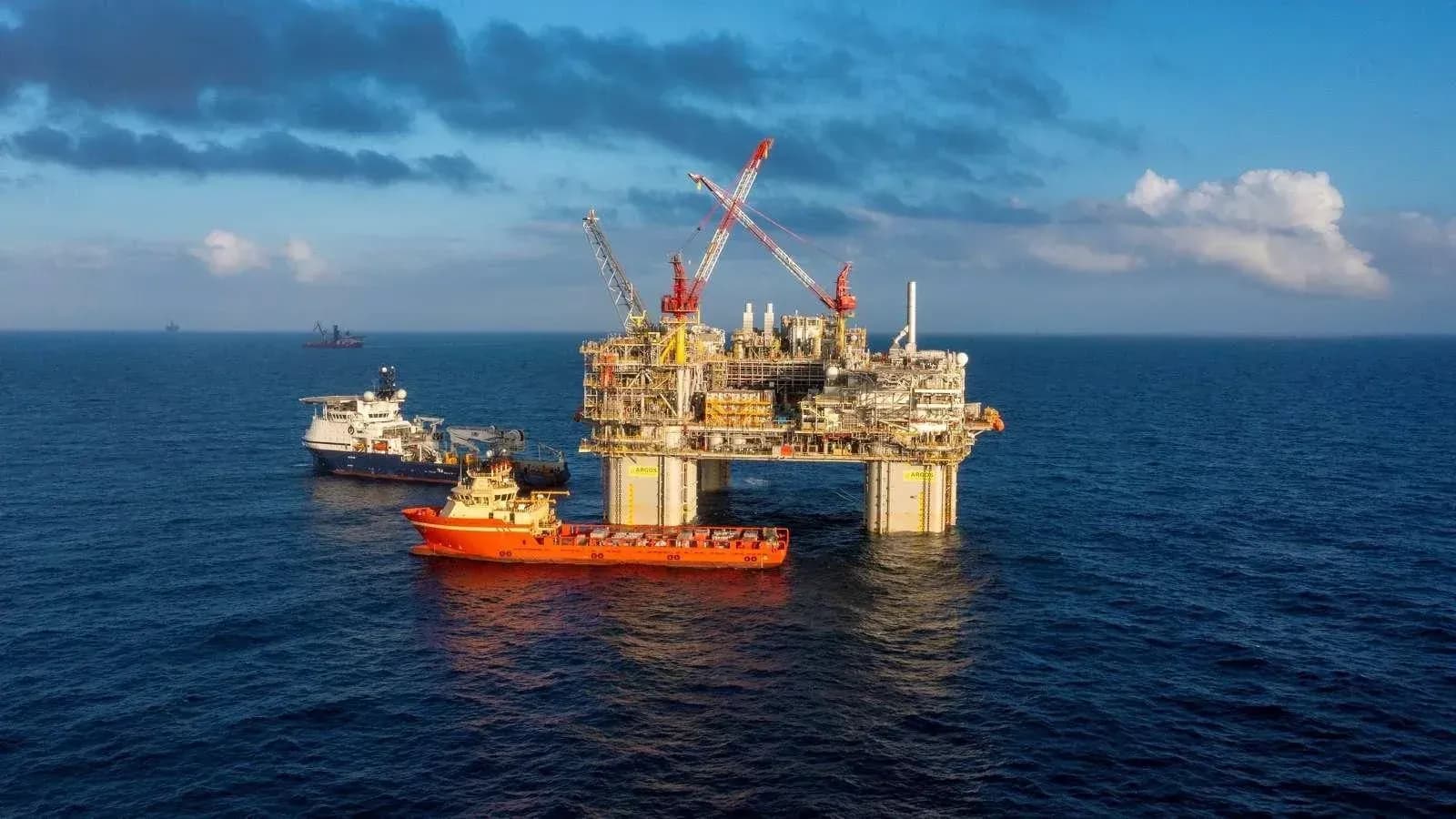
The Norwegian Continental Shelf (NCS) remains one of Europe’s most important offshore oil and gas regions. However, its production structure has changed significantly over the past two decades.
The Norwegian Offshore Directorate’s Resource Report 2026 highlights a notable development. At the end of 2025, Norway had 97 producing fields, generating approximately 240 million standard cubic metres of oil equivalent. At the beginning of the 2000s, approximately 40 producing fields delivered a comparable aggregate production volume.
This demonstrates how production has become distributed across a greater number of smaller and medium-sized assets.
For operators, the implications extend beyond production volumes. Maintaining output increasingly requires continuous investment in wells, existing infrastructure, production systems and recovery-improvement measures. Well interventions, workovers, new development wells, integrity management and late-life operations all form part of this broader challenge.
Improved recovery is central to Norway’s future production
The Norwegian Offshore Directorate identifies improved recovery from existing fields as an important requirement for future value creation.
In its 2026 Resource Report, the directorate describes approximately 145 specific improved-recovery projects awaiting development decisions, representing an estimated 280 million standard cubic metres of oil equivalent.
These projects span multiple activities, including development drilling, low-pressure production, late-phase production, injection and enhanced recovery methods.
Not all of these projects involve interventions in existing wells. In fact, the regulator identifies new development wells as the largest individual category of improved-recovery measures.
Nevertheless, the broader message is clear: maintaining production from mature assets requires continued well activity and investment throughout field life. This creates an ongoing requirement to understand existing well configurations, operational histories, reservoir behaviour and technical limitations.
New wells are increasingly important to mature-field production
The NOD reports that more than 60% of Norway’s oil production in 2025 came from wells drilled and brought on stream after 2020, in its analysis excluding fields that themselves came on stream after 2020.
The directorate also reported 175 development wells spudded in 2025, making it one of the more active years since the drilling peak of 2015.
These figures highlight how important continuous well development is to sustaining production from established fields. They should not, however, be confused with intervention counts.
Development drilling and existing-well intervention are distinct operational activities, even when they contribute towards similar objectives. A new production well may help maintain field output, while a workover or intervention may restore or improve the performance of an existing well.
Both activities depend on reliable engineering information.
Intervention and workovers throughout the well lifecycle
A producing well is not necessarily a static asset. Throughout its operational life, it may undergo multiple interventions to maintain production, improve recovery, investigate mechanical problems or restore integrity.
These activities can include wireline and coiled-tubing operations, stimulation treatments, tubing replacement, zonal isolation, repairs and recompletion. Workovers may involve more extensive changes to the well’s completion or mechanical configuration.
Before carrying out such operations, engineers need an accurate understanding of the existing well architecture. This may include casing and tubing dimensions, completion equipment, packer locations, barrier configurations, pressure histories and previous intervention outcomes.
Importantly, the well’s current configuration may be different from the configuration described in its original completion report.
Without an accurate operational history, engineers may need to reconstruct the sequence of events manually before preparing an intervention. This is especially relevant for older wells with repeated equipment changes or incomplete historical documentation.
The long-term P&A challenge
Although much of Norway’s current investment is directed towards maintaining and extending production, a substantial abandonment programme lies ahead.
In November 2025, the Norwegian Offshore Directorate reported that approximately 2,900 wellbores on the NCS remained to be permanently plugged and abandoned. At that time, the directorate indicated that approximately 30–40 wells were being plugged annually.
These figures illustrate the scale of future work, but they should not be used to calculate a simple completion date. New wells are continually drilled, and abandonment schedules depend on field development, operational requirements and infrastructure closure.
The directorate also noted that permanent well plugging accounts for more than half of the overall cost of cessation and removal of old oil and gas installations on the Norwegian shelf.
This creates strong incentives to improve abandonment efficiency while maintaining the required safety and environmental standards.
Why abandonment preparation is information-intensive
Permanent abandonment requires engineers to establish a reliable understanding of the well’s construction and condition.
Typical information requirements include original hole and casing sections, cementing records, completion assemblies, installed barriers, previous integrity events and historical remedial operations. These details are important when assessing existing barriers and developing an abandonment plan.
A well originally drilled decades ago may have undergone multiple changes that affect its present configuration. Engineers may therefore need to review extensive documentation to reconstruct the well’s life before evaluating the appropriate abandonment approach.
This information often exists in different formats, including scanned drilling reports, equipment records, operational logs, historical diagrams and spreadsheets. Where records are inconsistent or incomplete, additional engineering verification may be required.
Improving access to these documents and their underlying information can support more efficient preparation without replacing the technical responsibility of qualified engineers.
Existing infrastructure creates a limited window of opportunity
Another significant theme in the NOD’s 2026 Resource Report is the relationship between remaining resources and existing offshore infrastructure.
As fields mature, the continued operation of platforms, pipelines and processing facilities becomes increasingly important to the economics of surrounding resources. Smaller discoveries may only be commercially viable when connected to infrastructure that is already in place.
This creates a relationship between production optimisation, infrastructure life extension and the timing of decommissioning.
Although infrastructure-led exploration and subsea tie-backs are distinct from intervention activities, they are part of the same broader industry objective: extracting greater value from established offshore assets.
For existing wells, the corresponding operational requirements include maintaining production performance, managing integrity and ensuring that the available infrastructure remains fit for its intended use.
From production optimisation to permanent abandonment
A well may undergo multiple engineering phases throughout its operating life.
During production, the focus may be on improving recovery or restoring functionality. As the well matures, engineering attention may shift towards mechanical integrity, lower-cost operation, recompletion or temporary suspension. Eventually, when further production is no longer viable, permanent abandonment becomes necessary.
Each stage has different technical and regulatory requirements. However, many of the same historical records remain relevant throughout the lifecycle.
A completion schematic prepared during an earlier intervention may provide useful context for a later workover. A cementing report produced during initial construction may become important during an integrity assessment or P&A operation decades later.
This demonstrates why historical well information should remain accessible throughout the well’s life rather than be recreated independently for each activity.
The future of well engineering efficiency
Norway’s offshore industry has a long history of adopting advanced drilling, subsea and digital technologies. As the shelf matures, the opportunity for further efficiency improvements extends into the way engineering information is managed and used.
A modern well-information workflow should enable engineers to identify relevant records, understand changes in well configuration, trace technical information to original sources and identify uncertainties requiring review.
For mature wells, this can be challenging because documentation may span several decades and multiple generations of information systems.
Technology capable of structuring and connecting historical records can therefore complement existing engineering systems and support preparation for future well operations.
The Wellvector perspective
At Wellvector, we believe that making historical well knowledge accessible is an important part of improving well lifecycle engineering.
Wellvector is designed to transform unstructured well documentation into structured, source-linked engineering information, including well schematics and completion montages.
Our focus is on helping engineers work more effectively with the historical records that support intervention, workover, integrity and abandonment preparation.
As Norway continues to maximise recovery from existing fields while preparing for its long-term P&A obligations, the importance of reliable well information will continue.
The next chapter of offshore efficiency begins with understanding the wells we already have.
Sources and further reading
- Norwegian Offshore Directorate — Resource Report 2026
- NOD — Resource Report 2026: Fields and Discoveries
- NOD — Resource Accounts 2025: Discovered Resources
- NOD — New Technology Is Profitable When Shutting Down Wells (November 2025)
All cited resource and well-activity figures reflect the reporting periods stated in their original publications. This article distinguishes new development drilling from interventions in existing wells.